Tree Root Removal from Sewer Lines in Ottawa
Tree Root Removal from Sewer Lines in Ottawa
Remove Tree Roots Blocking Your Ottawa Sewer Line
Regular catch basin cleaning is essential to prevent water pooling and flooding on your property. Over time, debris, leaves, and sediment can clog catch basins, leading to poor drainage and potential water damage. Our catch basin cleaning services in Ottawa ensure your drainage systems remain clear and functional, protecting your property from water buildup. Trust our team to provide thorough cleaning and maintenance, keeping your drainage system working efficiently year-round.
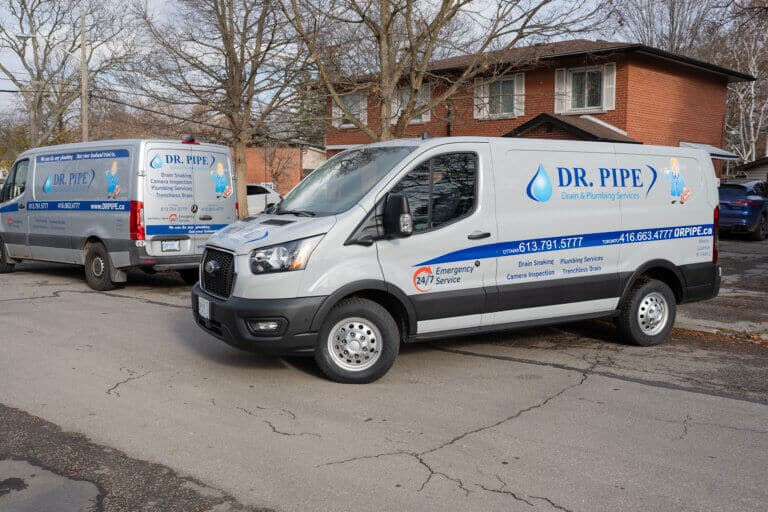
Call Dr. Pipe to Solve Your Plumbing Problems!
Fully licensed and insured, Dr. Pipe has years of experience serving clients across Ottawa and neighbourhoods, earning a reputation for excellence. Our skilled and certified professionals ensure the job is done right the first time, giving you peace of mind every step of the way!
Testimonials from our clients


Why Choose Dr. Pipe Drain and Plumbing for Tree Root Removal in Ottawa?
Tree root intrusion is more than a simple blockage. Roots usually enter through an opening in the sewer, which means the condition of the pipe should be evaluated after the obstruction is cleared.
Dr. Pipe Drain and Plumbing helps homeowners understand the cause of the problem and choose the right solution.
Trusted by Ottawa Homeowners
Dr. Pipe Drain & Plumbing is Ottawa’s top-rated choice for battery backup pump installations, boasting a perfect 5/5 Google rating from local homeowners. Ottawa residents trust our certified team for fast response times, honest upfront pricing, and flawless workmanship. We ensure your home stays protected from flooding with proper setup, clear communication, and reliable service that gets the job done right the first time.
Camera-Based Sewer Diagnosis
A sewer camera inspection helps locate root intrusion, identify affected sections, and evaluate the condition of the pipe.
This allows our team to determine whether the sewer can be cleaned and monitored or whether additional repair should be considered.
Specialized Flex Shaft Root Cutting
Dr. Pipe Drain and Plumbing uses Flex Shaft equipment designed to remove dense root growth from inside sewer and drain lines.
The equipment helps reopen restricted pipes and restore wastewater flow while allowing better access for further inspection.
Cleaning and Repair Options
Every sewer line is different.
Some root blockages can be resolved with cleaning alone. Others reveal cracks, failed joints, or other pipe damage that requires repair.
We recommend solutions based on the actual condition of the sewer.
What Causes Tree Roots to Enter Sewer Lines?
Tree roots usually enter sewer pipes through existing weaknesses rather than damaging a completely intact line.
Common entry points include:
- cracked sections of pipe;
- deteriorated joints;
- separated connections;
- damaged sewer sections.
Small openings allow moisture to escape into the surrounding soil. Nearby roots naturally grow toward this moisture and may eventually enter the pipe.
Once inside, roots can collect debris, reduce flow capacity, and contribute to repeated sewer blockages.
Finding roots does not automatically mean the sewer requires replacement. The condition of the pipe after cleaning determines the next step.
Signs You May Need Sewer Root Removal
Tree root problems often affect the main sewer line rather than one individual fixture.
Recurring Sewer Clogs
A blockage that returns after previous cleaning may indicate ongoing root intrusion or a damaged section of pipe.
Slow Drains Throughout the Home
When several fixtures drain slowly at the same time, the restriction may be located in the main sewer line.
Gurgling Toilets and Drains
Unusual sounds can occur when wastewater movement is restricted by an obstruction.
Sewage Odours
Persistent sewage smells may indicate a drainage problem that requires professional inspection.
Basement Drain Backups
Water or wastewater coming through a basement floor drain can indicate a serious sewer restriction.
A sewer camera inspection can confirm whether roots are present and show the condition of the pipe.
Our Tree Root Removal Process
Professional sewer root removal involves more than cutting away visible growth. The goal is to restore drainage and determine whether additional work is needed.
Step 1: Sewer Camera Inspection
We inspect the sewer to identify where roots have entered and evaluate the condition of the line.
The inspection can show:
- the location of root intrusion;
- the extent of the blockage;
- cracks or failed joints;
- pipe movement or deterioration.
If roots completely block camera access, the obstruction may need to be cleared first.
Step 2: Flex Shaft Root Cutting
Dr. Pipe Drain and Plumbing uses specialized Flex Shaft root-cutting equipment to remove invasive roots from inside sewer and drain lines.
The rotating cutting tools break apart dense root growth and help restore an open pathway for wastewater.
Root cutting removes the immediate blockage, but it does not repair the opening where roots entered. If the sewer has a crack or failed joint, roots may return.
Step 3: Sewer Cleaning
After root removal, additional cleaning may be recommended to clear remaining debris and buildup.
The cleaning method depends on the condition of the pipe and the type of material restricting flow.
Step 4: Final Sewer Evaluation
After roots are removed, the pipe can be inspected more clearly.
This helps determine whether:
- cleaning solved the immediate problem;
- monitoring is appropriate;
- sewer repair should be considered.
Benefits of Professional Tree Root Removal
Professional sewer root removal provides more than temporary blockage relief.
Restores Proper Drainage
Removing invasive roots helps reopen restricted sections of the sewer and improve wastewater flow.
Helps Prevent Recurring Backups
Clearing root growth removes the immediate obstruction and allows the sewer condition to be evaluated.
Identifies Hidden Sewer Problems
Camera inspections can reveal cracks, failed joints, and other issues that cannot be confirmed from symptoms alone.
Helps Avoid Unnecessary Replacement
Not every sewer with root intrusion requires replacement. Inspection allows the solution to match the actual condition of the pipe.
Root Clearing vs Sewer Repair: What Does Your Sewer Need?
Removing roots does not always mean the sewer problem is permanently solved.
The correct next step depends on what the inspection shows.
Root Removal May Be Enough When:
- roots are removed successfully;
- drainage returns to normal;
- no major pipe damage is visible;
- blockages are not returning frequently.
In these situations, monitoring may be a practical option.
Sewer Repair May Be Needed When:
- roots return repeatedly from the same location;
- cracks or failed joints are visible;
- sections of pipe have shifted;
- the sewer has significant deterioration.
Repeated cleaning can restore flow, but it does not correct a damaged sewer section.
Tree Root Removal vs Sewer Repair
| Camera finding | Possible next step |
| Root growth with no major pipe damage visible | Root removal and monitoring |
| Roots returning from the same area | Evaluate the entry point for repair |
| Repairable crack or failed joint | Consider localized repair or pipe lining |
| Significant separation or deformation | Evaluate structural repair options |
| Severe deterioration or collapse | Consider replacement options |
The presence of roots alone does not determine whether replacement is required. The condition of the sewer line is the deciding factor.
Sewer Repair Options After Root Intrusion
If root removal reveals sewer damage, the repair method depends on the type and severity of the problem.
Localized Sewer Repair
When damage is limited to one section, repairing that area may solve the problem without replacing the entire sewer line.
Pipe Lining
Pipe lining may be an option when roots entered through repairable cracks or failed joints and the existing pipe remains suitable for rehabilitation.
A liner creates a continuous interior surface that seals suitable damaged areas.
You can explore how pipe lining compares to pipe bursting in Ottawa.
Trenchless Sewer Repair
Some damaged sewer lines can be repaired using trenchless methods that reduce excavation compared with traditional replacement.
Why Do Sewer Root Problems Come Back?
Tree roots can return because clearing the growth inside the pipe does not always fix the original entry point.
If roots entered through a damaged connection, that opening may still allow future growth.
What Increases the Risk of Recurring Root Intrusion?
- Damaged sewer pipes. Cracks or deteriorating connections create openings where roots can enter again.
- Unrepaired entry points. Roots may continue growing through the same opening if the underlying damage remains.
- History of root blockages. Previous problems can indicate that the sewer remains vulnerable to intrusion.
- Nearby trees. Established root systems may continue growing toward underground sewer lines.
If blockages become more frequent, repairing the cause may become more practical than repeated cleaning.
How to Reduce the Risk of Future Root Intrusion
Preventing future problems depends on the condition of the sewer after cleaning.
If the pipe remains in good condition, monitoring may be enough. Keeping previous inspection records can help compare future camera footage and identify changes over time.
If roots repeatedly enter through the same damaged area, repairing that section may provide a longer-term solution.
Steps to Help Prevent Recurring Sewer Root Problems
- Keep inspection records. Save previous camera inspection reports and cleaning records to track changes in pipe condition.
- Monitor recurring problems. Properties with a history of root intrusion may benefit from periodic sewer inspections.
- Repair damaged sections. Fix confirmed failed joints, or other defects that allow roots to enter.
- Act when blockages return. Schedule another inspection if drainage problems become more frequent or severe.
Regular monitoring and timely repairs can help reduce repeated blockages and avoid more extensive sewer damage.
City Tree vs Private Tree Root Problems in Ottawa
Responsibility for sewer root problems can depend on where the roots originate.
The City of Ottawa has different requirements for situations involving private trees and City-owned trees.
When an investigation confirms that a City-owned tree caused qualifying root infiltration or damage, certain work may fall under City responsibility.
Private tree root problems are generally handled by the property owner.
If responsibility is unclear, keep your sewer inspection documentation and confirm requirements with the City before approving major repairs.
Review the City of Ottawa Sewer Connection By-law.
Does a Tree Need to Be Removed?
Finding roots inside a sewer line does not automatically mean the tree needs to be removed.
The first step is identifying how the roots entered the pipe and whether cleaning or sewer repair can solve the problem.
A healthy tree may remain in place if the plumbing issue can be addressed without removal.
Our Tree Root Removal Service Areas
Dr. Pipe Drain and Plumbing provides tree root removal from sewer lines and drain services throughout Ottawa and surrounding communities, including: Barrhaven, Carlington, Embrun, Gloucester, Kanata, Nepean, Old Ottawa South, Orleans, Vanier.
Not sure if we service your property? Contact us to confirm availability!
Need Tree Roots Cleared From Your Ottawa Sewer Line?
Recurring sewer blockages caused by roots should be properly diagnosed before they lead to larger problems.
Call +1 (613) 791-5777 or request service online today.
Dr. Pipe Drain and Plumbing can inspect your sewer, remove invasive root growth, and explain whether cleaning, monitoring, or repair is the right next step.
Frequently Asked Questions
What is tree root removal from a sewer line?
Tree root removal from a sewer line means clearing invasive roots that have grown inside the pipe. The service focuses on restoring drainage and identifying whether the sewer has damage that requires repair.
How do plumbers remove roots from sewer pipes?
Professional sewer root removal usually involves inspection followed by mechanical root cutting. Dr. Pipe Drain and Plumbing uses Flex Shaft equipment to remove dense root growth and restore drainage.
Can Flex Shaft equipment remove roots from sewer lines?
Yes. Flex Shaft root-cutting equipment is designed to break apart invasive root growth inside sewer and drain lines.
Will roots grow back after sewer root removal?
They can. Clearing roots removes the obstruction but does not always repair the crack or joint where roots entered.
How do I know if I need root clearing or sewer repair?
A camera inspection after cleaning helps determine whether the pipe remains in good condition or whether structural repair is needed.
Can hydro jetting remove tree roots?
Hydro jetting can help clean suitable sewer lines, but dense root growth often requires mechanical cutting first.
Does finding roots mean I need sewer replacement?
No. Some sewer lines can be cleaned and monitored after root removal. Replacement depends on the condition of the pipe.
Can I remove sewer roots myself?
DIY products and basic tools usually cannot identify where roots entered or whether the sewer has hidden damage. Professional inspection provides a clearer diagnosis.
How long does sewer root removal last?
Results depend on the condition of the sewer and whether the original root entry point remains open.
Who is responsible when City tree roots affect an Ottawa sewer line?
Responsibility depends on the source of the roots and the circumstances of the problem. City-owned tree root issues may be handled differently from private tree root problems.

Available 24/7 for
Emergency Services
No Time is the Wrong Time.

Upfront
Pricing
No Hidden Costs When The Job Is Finished.

5 Star
Customer Service
We Treat Your Home like We Treat Our Home.